
Affiliate disclosure: This post may contain affiliate links. If you buy through these links, Top Baby Picks may earn a commission at no extra cost to you.
Quick Answer
A white noise machine is not a must-have, but it is one of the most useful nursery purchases under $70: a steady background sound masks door slams, older siblings, and street noise so your baby stays asleep longer. Safety comes down to volume, distance, and how long it runs, not the machine itself. Pediatric research says to keep the machine across the room and the volume low, and two models stand out in 2026: the app-controlled Hatch Baby Sound Machine and Night Light ($66.49, checked November 21, 2026) for families who want routines and a night light, and the fan-based Yogasleep Dohm Classic ($39.99, checked November 21, 2026) for a simple, natural sound with no app at all.
Do Babies Need a White Noise Machine?
No. Babies sleep without one, and safe sleep basics matter far more than any gadget: baby on their back, on a flat firm surface, in an empty crib. What white noise does is practical: newborns are used to constant sound from the womb, and a steady shush masks the household noises that wake them. If your baby sleeps fine without it, you can skip it. If naps end every time the dog barks or a door closes, a sound machine is a cheap fix. For the bigger picture of naps and bedtimes, our baby sleep schedule by age guide covers how much sleep to expect at each stage.
Are White Noise Machines Safe for Babies?
Yes, when you use them at a sensible volume and distance. The concern is real but specific: a 2014 study in the journal Pediatrics tested 14 infant sleep machines at maximum volume and found that all of them exceeded 50 dBA at 30 centimeters from the speaker, which is the recommended noise limit for infants in hospital nurseries, and three machines exceeded 85 dBA, a level that risks hearing damage with long exposure even for adults.
The lesson is not that white noise is dangerous. It is that a machine close to the crib at full volume is too loud. The study authors’ recommendations, echoed by Children’s Hospital of Philadelphia: place the machine more than 200 centimeters (about 6.5 feet) from the baby, never on the crib rail or inside the crib, and keep the volume low. They also recommend limiting how long the machine runs, a point where experts differ, as the FAQ below explains. The American Academy of Pediatrics published the study, and its noise exposure guidance gives the same general advice: keep chronic noise low for young ears.
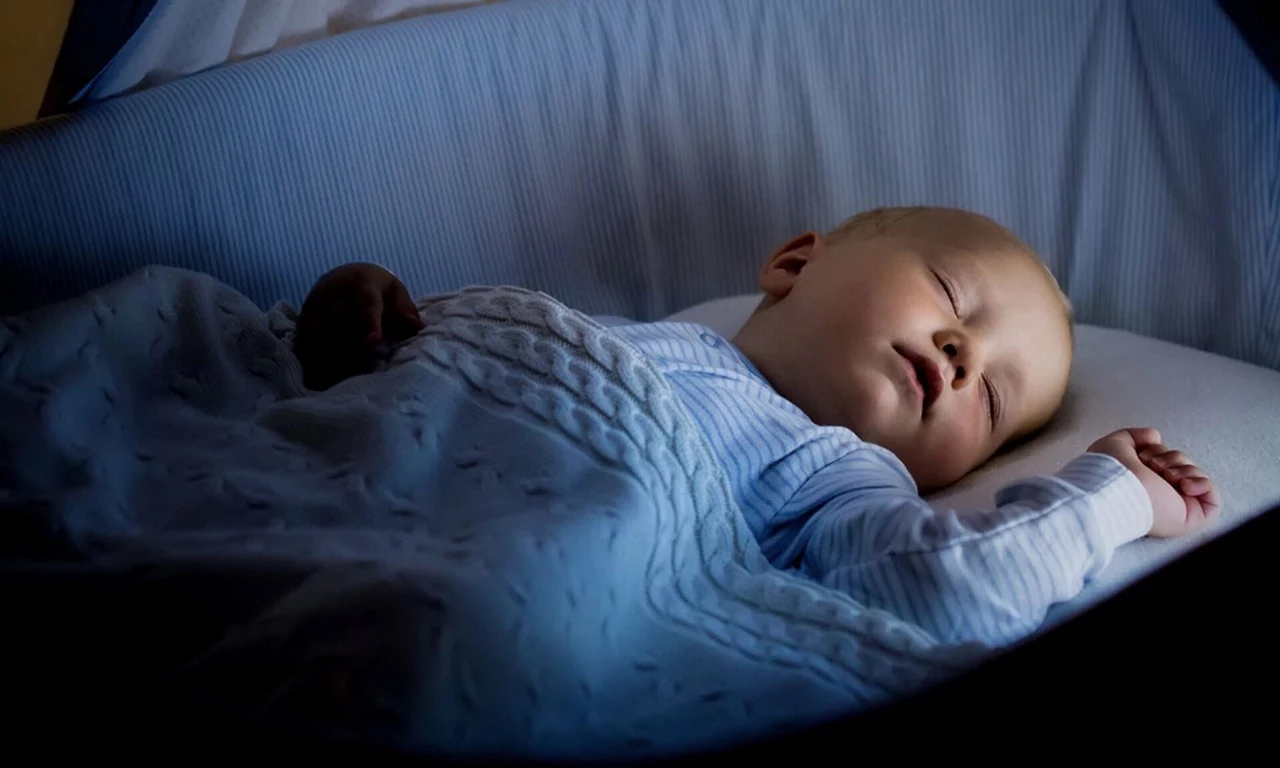
What to Look For in a White Noise Machine for Baby
- Continuous, non-looping sound. A short audio loop restarts with a tiny gap that some babies notice. Fan-based machines and well-designed digital ones avoid this.
- Precise volume control. You need a real low end, not just three loud settings, so you can follow the safety rules above.
- No forced auto-off timer. Many babies sleep best with sound all night. A timer is fine as an option, not as the only choice.
- No bright lights, or lights you can control. A dark room supports sleep; a night light is useful if it dims properly.
- Sensible cord placement. The machine sits across the room anyway, which keeps cords away from the crib. Keep any cord out of a standing baby’s reach.
The 2 White Noise Machines Worth Buying in 2026
Hatch Baby Sound Machine and Night Light: the smart pick
The Hatch Baby is the current generation of the sound machine that made Hatch famous, and it does much more than noise. You get white noise plus sounds like pink noise and heartbeat, a dimmable night light, routine building in the Hatch app, and a Big Button on top that starts a favorite sound without fumbling for your phone at 3 a.m. It grows into a toddler time-to-rise clock, which stretches its useful life well past the crib years. The purchase includes 3 months of Hatch+ (sleep consultant chat, guides, premium content); after that the subscription is optional and does not auto-renew, and the core sound and light features keep working. It was $66.49 on Amazon, price checked November 21, 2026. The trade-off: setup and full control need the app, so parents who dislike app-dependent nursery gear should look at the Dohm below.
Check the current Hatch Baby Sound Machine price on Amazon
Yogasleep Dohm Classic: the simple, natural pick
The Dohm Classic has made white noise the same way since 1962: a real fan inside the housing, tuned by two speed settings and a twist of the outer shell that changes the tone. There is no speaker, no loop, no app, no WiFi, and no light, which is exactly why parents love it. The fan sound is natural and non-looping, the volume range runs genuinely low, and the 7-foot cord makes it easy to place across the room. It is assembled in the USA and was $39.99 on Amazon, price checked November 21, 2026. The trade-off: no extras at all. No night light, no timer, no remote control, just excellent noise.
Check the current Yogasleep Dohm Classic price on Amazon
Which one should you get?
Pick the Hatch if you want a night light, routines, and a device that becomes your toddler’s wake-up clock later. Pick the Dohm if you want a set-and-forget machine with a natural fan sound and zero apps. Neither model guarantees a safe sound level on its own: what reaches your baby depends on the volume you set, the distance from the crib, and how long it runs, so follow the distance, volume, and duration rules below with whichever one you choose.
How to Use a White Noise Machine Safely
- Keep it more than 200 centimeters (about 6.5 feet) away, the distance the study authors and Children’s Hospital of Philadelphia recommend, and never on the crib rail or inside the crib.
- Set the lowest effective volume. Start low and raise only until household noise fades; the study’s warnings are about maximum output, and 50 dBA at the crib is the hospital-nursery limit the researchers used as their benchmark.
- Be conservative with duration. The study authors recommend limiting how long machines run rather than leaving them on for long stretches. Some pediatricians are comfortable with all-night use at low volume; what everyone agrees on is low volume and distance.
- Skip maximum volume entirely. The loudest settings on many machines exceed levels pediatric researchers consider safe for infants. You will never need them.
FAQs About White Noise Machines for Babies
How loud should a white noise machine be for a baby?
Low. The benchmark pediatric researchers use is 50 dBA at the crib, the recommended noise limit for hospital nurseries, and the 2014 study found some machines exceed that even across the room at maximum volume. There is no reliable ear-based test, so keep the machine on a low setting and far from the crib rather than trusting a quick listen.
Can white noise damage my baby’s hearing?
At high volume and close distance, the risk is real: that is the exposure the 2014 Pediatrics study flagged, with machines at maximum volume near the crib exceeding recommended limits and nightly exposure raising concern for hearing and auditory development. The study measured maximum output, not typical use; keeping volume low and distance over 200 centimeters avoids the conditions it warns about.
Should white noise play all night?
Experts disagree. The 2014 study’s authors recommend limiting duration rather than running machines through long stretches, while other pediatricians suggest keeping low-volume sound going for the whole sleep period so mid-night disturbances do not wake the baby. Both sides agree on the non-negotiables: low volume and a machine placed across the room, never at maximum output.
White noise vs pink noise: what is the difference?
White noise is even across frequencies, like a steady shush. Pink noise emphasizes lower frequencies and sounds softer, more like rain. Babies respond to both; the Hatch Baby offers both types, and the Dohm’s fan sound sits naturally in the pink-noise family.
When should we stop using white noise?
There is no deadline. Many toddlers and school-age kids still sleep with a sound machine, and weaning off, if you want to, is as simple as lowering the volume gradually over a few weeks.